World AIDS Day (1st December) is a painful but important moment in the calendar for the queer community. A time to reflect on the impact, the progress and the profound loss caused by the AIDS crisis. The collective pain and resilience that defined the AIDS crisis continues to shape the queer experience today. It is our duty to take time to remember, to grieve and to honour those who came before us. With that in mind, I felt deeply honoured to be invited to the World AIDS Day Remembrance Event held at St Chad’s College.
This event was not borne solely out of love and respect for the queer people who came before us. It also reflects the increasing hostility queer communities face today, a hostility fuelled by the rise of far-right politics. It is, undeniably, a frightening and dangerous time to be a queer person. This remembrance event therefore highlights not only the ongoing struggle, but the real impact these political shifts are having on our local community. As Durham Pride explained, ‘This decision is in response to multiple requests from student and community members who conveyed concerns about participating in a World AIDS Day event jointly organised by Durham County Council and Durham University, which includes Reform Councillor Robbie Rodiss, Chairman of the Reform-led Durham Country Council.”
Some thoughts from the community
A concerned Durham resident who contacted Durham Pride said they had hoped to attend the event but felt “appalled” when they learned that the Chairman of the Reform council would attend, adding that they “would not sit in the same room as him”. Another told Durham Pride that his invitation left them “disgusted,” reiterating that “this is the same council that removed Pride flags, ridiculed and defunded the Pride festival, and abolished equality, diversity and inclusion initiatives that play an integral role in the history and ongoing fight against AIDS/HIV in the LGBTQ+ community.”
Mel Metcalf, Chair of Durham Pride, said: “The decision to hold a separate remembrance event reflects Durham Pride’s unwavering commitment to safeguarding LGBTQ+ voices and supporting allies, ensuring meaningful representation.”
It is disappointing that an occasion which should centre the LGBTQ+ community has become politicised. World AIDS Day commemorations exist first and foremost for queer people. The decision to involve a Reform-led Durham County Council chair feels, to many, like a dismissal of that history and struggle. Yet Durham Pride’s response highlights the resilience of the community. Rather than allowing the event to be overshadowed, they organised a separate gathering. One intended to provide a safe and welcoming space to mark World AIDS Day, “free from the influence of individuals perceived as undermining LGBTQ+ rights and history.” This conflict shouldn’t overshadow the service. It was a small but deeply meaningful event, full of emotion: anger, sadness, grief, defiance, but also hope and pride. It was a queer event for queer people. Not a stage for the culture wars that have unfortunately taken over the other commemorations.
The day itself
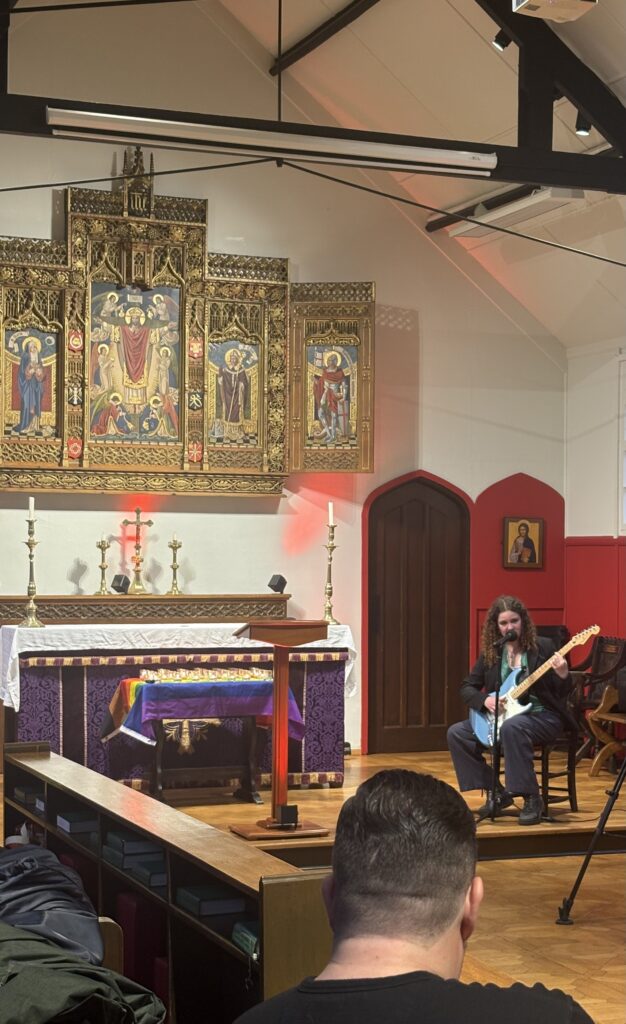
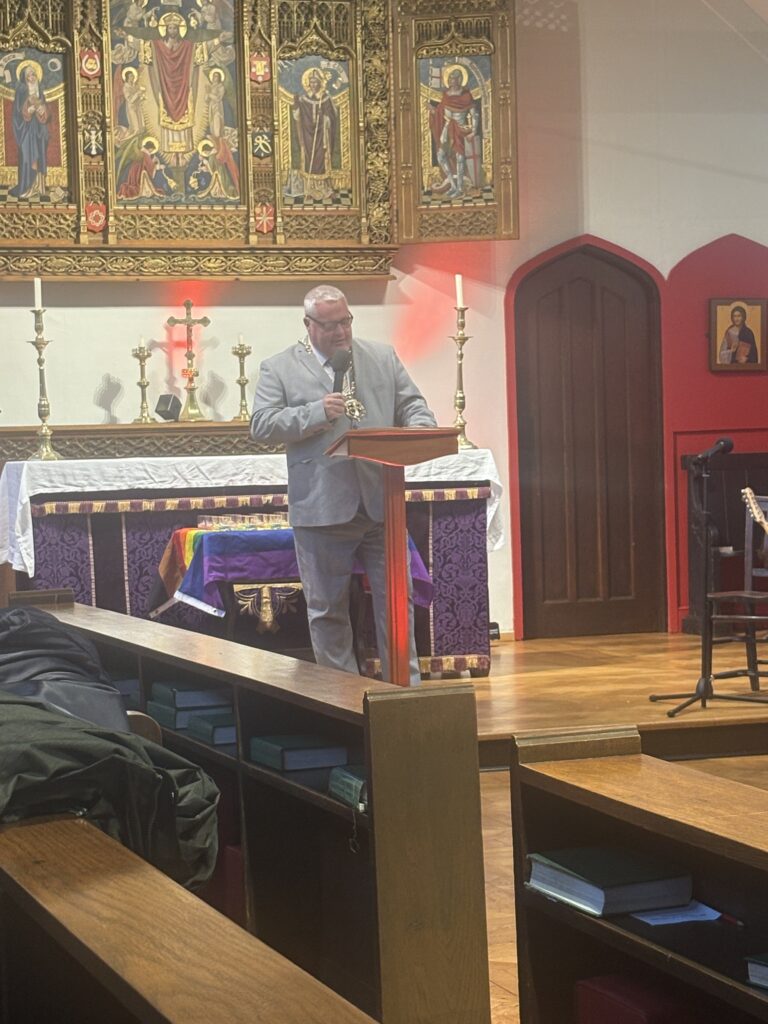
It was a service full of happiness, queer joy, and acceptance. It opened with a performance of It’s A Sin by the Pet Shop Boys, performed by Durham University student Michaela. The Mayor of Durham, Gary Hutchinson, followed with a short speech. He emphasised that the AIDS crisis remains “a global pandemic” and calling for wider education around prevention and stigma. The service then moved to TUC Regional Secretary David Pike, who delivered a powerful and political speech. He acknowledged the difficulty of the day and spoke frankly about how the queer community “suffered indifference from the government at best” while thousands suffered. He honoured Mark Ashton co-founder of Lesbians and Gays Support the Miners who died from AIDS in 1987.
Pike drew a clear line between the hostile politics of the 1980s and the resurgence we are witnessing today, stressing that “queer people’s lives are political because they are politicised,” especially those of our trans siblings. His speech ended with a rallying call: “this day is political because our lives are made political”. We must not simply ask quietly for support but demand the help we have always deserved. We should not only mourn we must fight.
Mark Bond-Webster then shared personal stories of volunteering and supporting people at a time when almost no one else would. His recollections were full of courage, loss, and hope. He reminded us that this was a fight undertaken by the whole LGBTQ+ community, not only gay and bisexual men paying tribute to the indispensable work of lesbians, saying, “we would never have been able to do what we did without our lesbian sisters.” He closed in the most fitting way: naming his friends who have sadly passed away from HIV/AIDS.
Joy Allen, a long-standing supporter of the LGBTQ+ community, spoke openly and reflectively about how policing in the 1980s—and even now—has not always served everyone, and how institutions betrayed the LGBT+ community and portrayed it as a problem, creating a legacy that still demands challenge. She also acknowledged that “progress is not inevitable; the LGBT+ community fought for it.” In a moment of striking self-awareness, she recognised that progress does not erase the past. The fight is not over for those judged for who they love, how they live, or the illness they have.
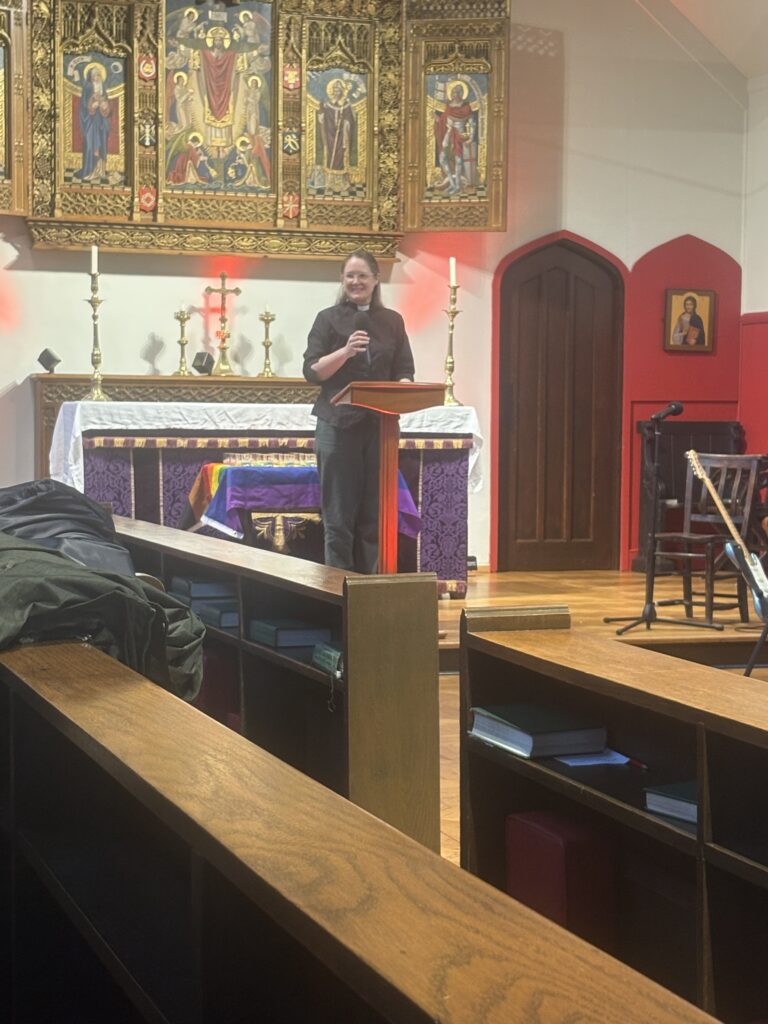
The service was brought to a close by Rev. Dr Kate Eaton Wells, who led a candle-lighting ceremony. She reflected that the gathering held “hope for the future but also the pain of the past”, emphasising the importance of remembering those who have died. This moment of reflection was accompanied by another musical performance, which gave the ceremony a quiet, tender ending. A final act of remembrance, solidarity, and love.
Chad’s and LGBTQ+ Pride
This event championed strength, resilience, the will to fight, and the truth that queer people will never disappear. A beautiful and sombre reminder of the work that has been done, and the work left to do. Personally, it meant a great deal to see my college and chapel be the space for this service. The relationship between queer people and religion can be painful and complicated. So seeing St Chad’s open its doors and its arms to the whole community felt deeply significant.
My Principal, Margaret Masson, kindly shared a quote reflecting on what hosting the event meant for Chad’s: “For much of its life, St Chad’s has tried to ensure a safe and inclusive environment for members of under-represented communities. We have held a Pride service each year in our lovely chapel for a number of years, and it felt fitting today to welcome members of the LGBTQ+ community and friends gathering to mark World Aids Day for what was a moving, dignified and beautiful event.” It is a beautiful, reflective, and deeply moving sentiment. This event was, above all, moving, dignified, and beautiful. It held the same spirit that sustained the queer community throughout the AIDS crisis: defiance, grief, passion, and love. I felt genuinely privileged to have been part of it.
If you want to find out move about the fight against and support for people living with
HIV/AIDS please visit https://worldaidsday.org/ and/or https://tht.org.uk/
For more of the latest news, guides, gossip, and memes, follow The Durham Tab on Instagram, TikTok, and Facebook.