The rector of the University of Glasgow has been cleared of misconduct by a medical watchdog following allegations of antisemitism and support for Hamas.
Dr Ghassan Abu-Sittah, a plastic surgeon and prominent Palestinian activist, was found to have no case to answer after a fitness-to-practise panel rejected a complaint brought against him by the General Medical Council (GMC).
Ghassan appeared via video link on Friday 9th January before the Medical Practitioners Tribunal Service in Manchester, where the three-person panel dismissed the case following a three-day hearing.
The allegations centred on an opinion article Ghassan wrote for a Lebanese newspaper, as well as two posts he shared on X.
The tribunal heard evidence relating to two social media posts shared by Dr Abu-Sittah in 2023 and an opinion article he authored for the Lebanese newspaper Al Akhbar in March 2018.
In the article, Ghassan referred to the “martyrdom” of Ahmad Nasr Jarrar, describing him as a “hero” of the Nablus operation, and wrote: “The people have no weapon left but revolutionary violence.”
Jarrar was believed to have been a member of Hamas and was suspected of involvement in an operation in which a rabbi was killed in a drive-by shooting in the West Bank city of Nablus.
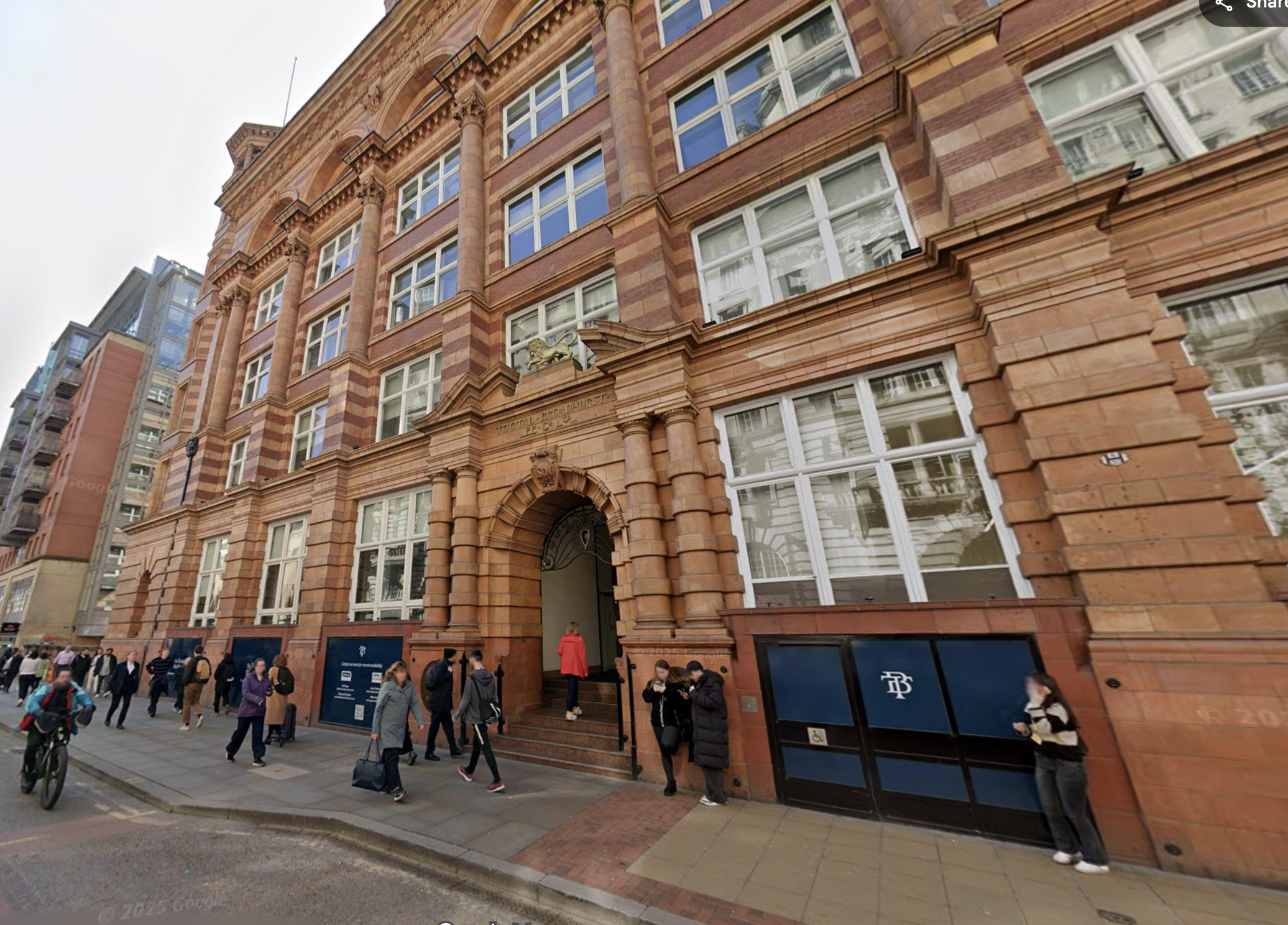
Medical Practitioners Tribunal Service in Manchester, via Google Maps
Ros Emsley-Smith, representing the General Medical Council (GMC), told the tribunal that the killing of a rabbi, “the very embodiment of the Jewish religion,” would be understood by an ordinary reader as an act of terrorism. She said that referring to Jarrar as a “martyr” and a “hero” would be interpreted as celebrating that act, and that, given the circumstances, the language used met the definition of antisemitism.
However, Ian Comfort, chair of the tribunal panel, said the article had been assessed in its entirety and in its political context. He said the panel could not identify any material that was antisemitic or that supported terrorism or violence, noting that the piece was largely critical of Palestinian political elites.
The tribunal also considered two reposted tweets, one which read: “We congratulate our brothers in Hamas and our comrades in the Popular Front on the anniversary of their inception”.
A second referred to “martyrs in the Popular Front for the Liberation of Palestine,” including individuals involved in armed actions in the 1970s, one of whom carried out what was described as the first operation using a suicide belt in 1974, and another who died during fighting in 1973.
Hamas’s political wing was proscribed under the Terrorism Act in 2021. The panel said there was no evidence of when the post was shared, other than that it predated 2023, and concluded that an “ordinary reader” would interpret it as marking an anniversary rather than offering material or moral support to terrorism.
A further tweet referred to “martyrs in the Popular Front for the Liberation of Palestine”, referencing figures involved in armed actions in the 1970s.
Ghassan told the tribunal that those familiar with the political context of the period would understand the post as an expression of solidarity with the Palestinian cause.
Ian said that, when read through the lens of an ordinary, reasonable Arabic reader, the tweet could not be understood as inciting or supporting violence or terrorism.
During the hearing, Ghassan said he had been racially profiled as “inherently violent” because he is Palestinian and Arab. he accused UK Lawyers for Israel, the organisation that raised the complaint with the GMC, of “trying to destroy my life.”
Ghassan told the tribunal that he was a witness to proceedings at the International Criminal Court and the International Court of Justice, and referred to the arrest warrant issued for Israeli Prime Minister Benjamin Netanyahu, as well as what he described as the “genocide in Gaza”.
Following the General Medical Council’s decision to clear him over alleged antisemitism, Ghassan said: “This complaint forms part of a broader lawfare strategy which aims to instrumentalise regulatory processes to intimidate, silence and exhaust those who speak out against injustice in Palestine. This was the second complaint made against me to the GMC by UK Lawyers for Israel, and the 10th complaint made by them overall. The tribunal’s decision now stands in full view of the public”.
Ghassan was elected rector of the University of Glasgow by students in the 2024-2025 academic year. The role is separate from university management, and he is not a member of staff or a spokesperson for the institution.
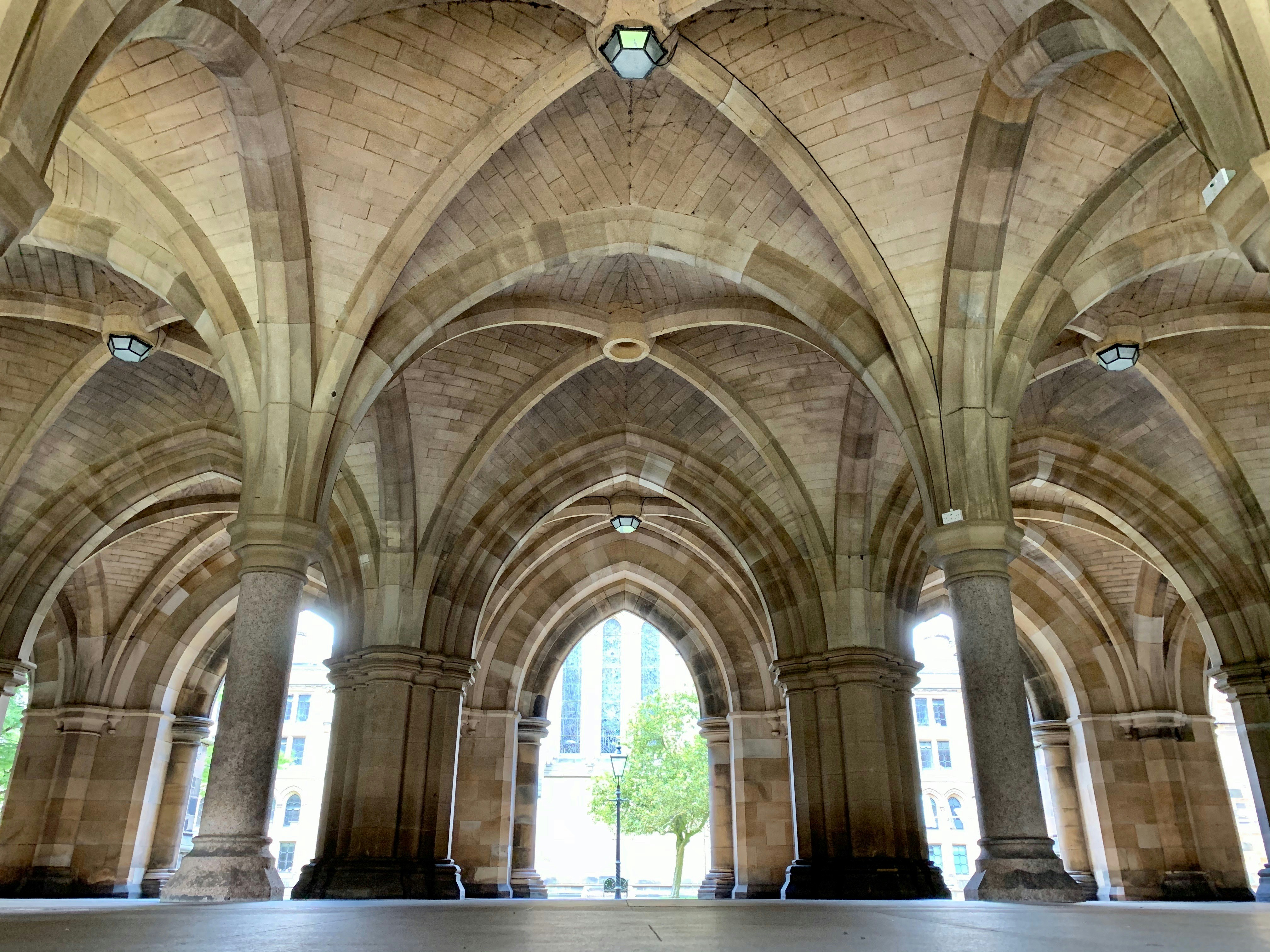
via Unsplash
Glasgow students have reacted cautiously to the tribunal’s decision. Daniel Katz, a fourth-year arts student told The Tab Glasgow: “People voted for him because he’s outspoken and represents a strong political position. Whether you agree or not, it’s important that accusations like this are properly tested, and the tribunal has been clear.”
Alexandra Hill, a postgraduate student, added: “The rector is meant to represent students, not the university’s brand. This ruling will probably reassure some people, but there will still be strong feelings on campus.”
A fourth year art student, who wishes to remain anonymous, claimed the case highlighted wider tensions around political speech, arguing “There’s a real fear among students about what you can and can’t say about Palestine. This decision shows that context matters, even if it doesn’t end the debate”.
A spokesperson for UK Lawyers for Israel criticised the outcome, saying: “We are concerned that the GMC failed to give information to the tribunal about the dates of the posts that Abu-Sittah had shared, even though we provided this information to them. As a result of this omission the tribunal was unable to prove that the pro-Hamas tweet it was considering was posted after the full designation of Hamas in 2021. In fact it had been posted over a year later.
We are also disappointed that the GMC only presented the tribunal with two of Dr Abu Sitta’s many re-posts, commemorating those who carried out violent acts, which UKLFI had provided to them. These showed a pattern of behaviour by Abu Sitta.
As a result of the GMC’s poor presentation of the case, it seems that the tribunal has made it acceptable for doctors to commemorate acts of violence and pay tribute to terrorists. This decision has failed to protect the public, and has failed to maintain public confidence in the medical profession, or to maintain proper professional standards and conduct for its members.
We have many other concerns regarding this Tribunal, and the GMC’s prosecution of the case, which we will be pursuing”.
For more of the latest news, guides, gossip and memes, follow The Glasgow Tab on Instagram, TikTok, and Facebook.
Featured image via Unsplash and Instagram @dr.ghassan.as