Families of two young men who died at Bristol’s Clifton Suspension Bridge are calling for stronger safety measures, saying changes to the structure could help prevent future deaths. They believe increased barriers and opportunities for intervention could give people experiencing momentary crises the time and support needed to reconsider, as experts and charities continue to stress the importance of prevention and human interaction.
Teilo How, a lighting technician, died at the bridge in January this year, while 23-year-old Alex Elsmore died in similar circumstances in April 2018. Their parents believe that if the access to the bridge had been more restricted, the two men would have had the opportunity to reconsider, or bystanders may have had the opportunity to intervene.
Teilo’s father Mark Cox told the BBC: “When [Teilo] had struggles, he was always able to overcome them. He would have short, intense bursts of feeling like life wasn’t worth living, but those would recede within a relatively short period of time”
“Some people who have survived in other locations say human interaction – if somebody had just said ‘hello’ to them on the day – it would have made that difference to them in shaking them out of their reverie.”
Alex’s mother, Jo Bayly, said his family had “no indication at all” of his mental health struggles.
“It was just a complete utter bolt from the blue,” she told the BBC. “He was much-loved, he had great friends, he loved us and he was very expressive young man and so it was just astonishing that he died.
“If he had momentary vulnerabilities, or I think his vulnerabilities would have been transient, and I think that he wouldn’t have died at the bridge if he’d been able to talk or encountered somebody on his approach.”
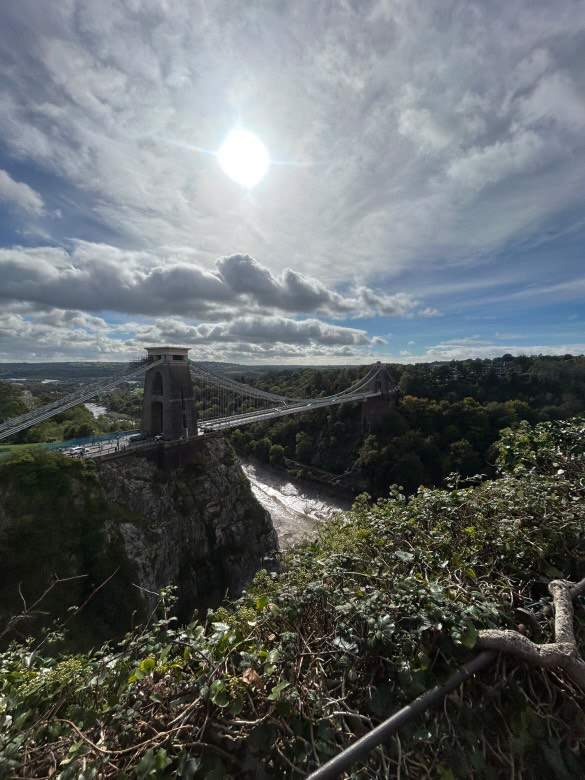
The Clifton Suspension Bridge was completed in 1864
Measures introduced to the structure in 1998 cut death numbers by 50%, but since then they have remained static. Ms Bayly believes that they do not meet standards needed in our modern day. Instead, she told the BBC that adding higher barriers to the bridge would make it harder for people to attempt to commit suicide, and give more time for members of the public to intervene.
Retired professor in epidemiology David Gunnell, who previously worked at the University of Bristol, spent 30 years researching ways to prevent and understand suicide. As a result of research of his research into suicides at the Clifton Suspension Bridge in the 1990s, barriers were put up in 1988.
Gunnell said to the BBC that the number of deaths have seemed static for 20 years:
“I’d like to be confident that the Bridge Trustees had explored every possible angle on top of what they’ve done already to make it even safer. Every death by suicide is an absolute tragedy, not only for the person concerned, but for friends, for family, for relatives.”
A spokesperson from the Clifton Suspension Bridge Trustees said that they are currently reviewing suicide deterrent methods. These include ‘previously considered’ options that were dismissed, as well as new approaches.
The representative said that there has been significant suicide deterrence measures in place. These physical deterrents were looked at ‘in detail’ in 2017 and 2019. They concluded there were ‘no feasible options’ and rather focused on improving monitoring tools and the number of workers.
They told the BBC: “We also have an early warning system in place with the police, where they can alert us to any vulnerable person who may be contemplating suicide. Unfortunately, we cannot always get to someone in time, and we are deeply sorry that this.”
Deputy director of Bristol Samaritans, Anne Travis, believes if bystanders are concerned about someone’s safety, all they have to do is “invite them to talk” and “listen really carefully to what they are saying.” “Maybe encourage them to walk somewhere with you… it can be easier to talk with somebody if you’re just walking side by side.”
She encourages people to check in on their family and friends.
The Bristol Samaritans helpline is available 24 hours a day, 7 days a week, on 116 123.
Featured image via SWNS