Ollie Cook, a 23-year-old law graduate from Sleaford, Lincolnshire, initially attributed his fatigue, brain fog, and muscle loss to the stress of exams during his final year at the University of Manchester. Despite feeling unwell, Ollie was otherwise healthy and dismissed his symptoms. After a four-month trip around Southeast Asia, his condition persisted, but doctors could not find anything wrong and recommended physio exercises.
However, 18 months later, Ollie collapsed due to an aneurysm, and doctors discovered a pituitary tumour—a growth in the pituitary gland, located near the brain. Ollie was transferred to Sheffield Hospital, where surgeons successfully removed the tumour and part of his pituitary gland. He now takes hormone replacement therapy, painkillers, and blood thinners, and has regular MRI scans to monitor for any recurrence.
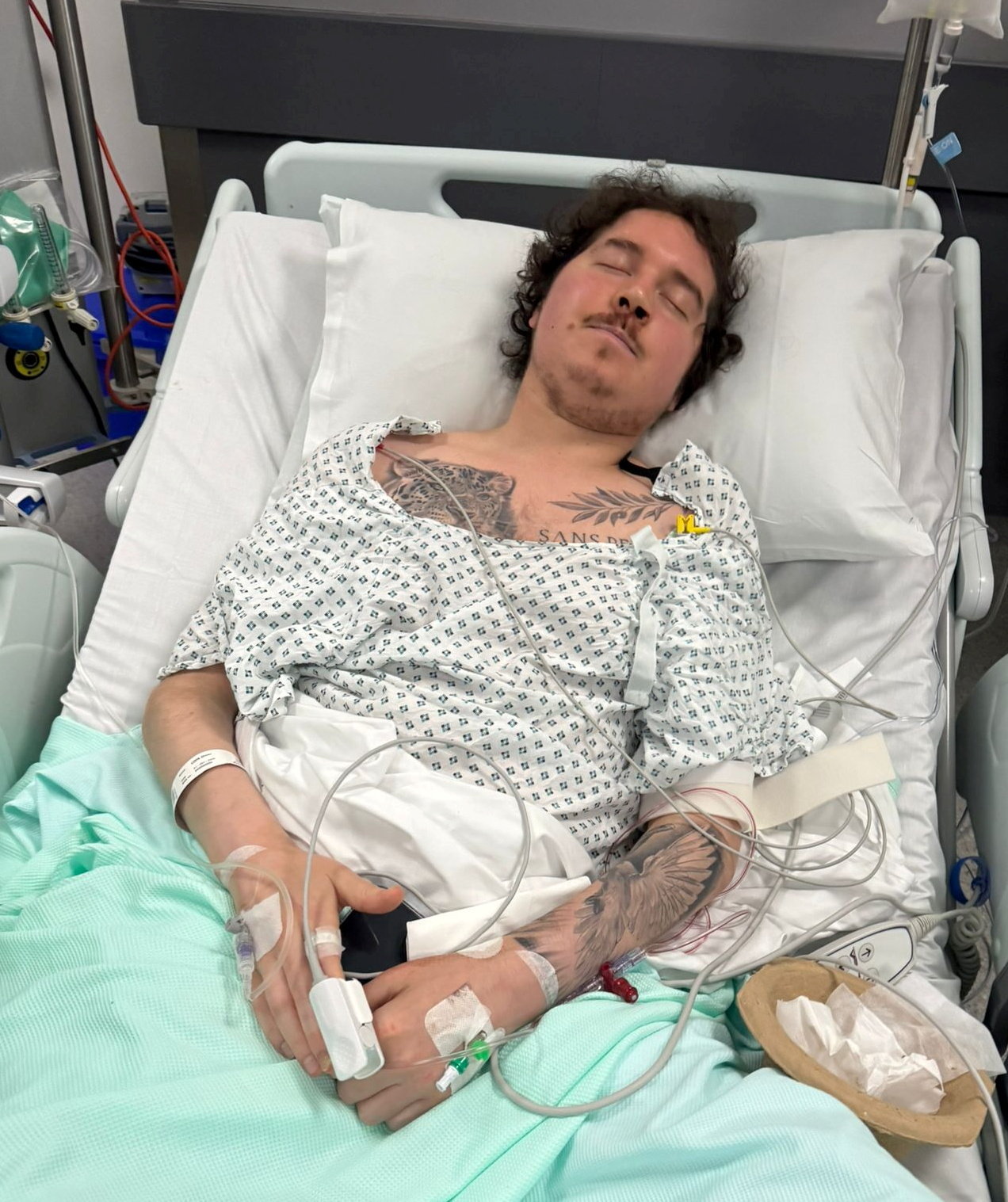
photo Via SWNS As his symptoms worsened, Ollie noticed persistent muscle pain and the inability to gain muscle despite training. After returning from his travels in December 2023, he visited his GP, but the general symptoms led to no clear diagnosis. He was given physio exercises and sent home, but Ollie knew something wasn’t right.
Ollie travelled to Kenya in early 2025 for a law internship, but his health continued to decline. When he returned to the UK in June, he collapsed again from an aneurysm and was rushed to Lincoln Hospital, where doctors identified the tumour.
“I was relieved to finally have an answer,” Ollie said. “After months of uncertainty, it felt like a weight had been lifted, even though the diagnosis was serious.”
Ollie’s experience highlights the importance of listening to your body, even when symptoms seem unclear. For months, Ollie’s symptoms were too vague for doctors to pinpoint a cause, but eventually, the tumour was discovered, and surgery led to a positive outcome.
Shannon Winslade, Head of Services at The Brain Tumour Charity, said, “Ollie’s story underscores how vital it is to raise awareness about brain tumours. Early detection can make all the difference, and it’s important to know that no one is alone in their journey.”
Now recovering, Ollie remains proactive with his health, including regular check-ups, and hopes his experience will encourage others to trust their instincts and seek help if something feels wrong.
Featured image via SWNS