As this extraordinary year winds down, it feels right to pause, ever-so-briefly, before the diary fills up again and we kick-start 2026.
By Katy Katopodis
This was not a gentle year.
We bore witness to stories that shocked, saddened and, at times, left the country speechless. We covered devastating crimes against children, from the murder of Jayden Lee Meek to the Joshlin Smith case, where justice finally caught up with the child’s own mother and her co-accused with life sentences for human trafficking. We reported on sexual grooming allegations at Pretoria’s Hoërskool Waterkloof with the care and sensitivity such stories demand, and on the brutal hostage drama in Mamelodi that left a family destroyed and a community traumatised.
Accountability, when it came, was often messy and incomplete. Few stories captured this more starkly than the unfolding General Nhlanhla Mkhwanazi saga as July proved to be one of the most volatile political moments of the year. “That” press briefing landed like a political landmine, demanding calm reporting and strong editorial decision making as we tried to understand the national security implications – not to mention the huge political consequences.
It was a moment that tested the discipline of the media and the maturity of public discourse. It served as a vital reminder that in a noisy news world, judgment matters more than speed. Kaya News navigated that moment with maturity, understanding both the security risks and the danger of rushing ahead of verified facts.
We followed the long, often uncomfortable road of accountability. The Cat Matlala saga alone felt like a slow-burning thriller no one asked for – from court appearances and cellphone scandals to the explosive claim that R300 000 in Woolies bags had changed hands. Alongside that, we unpacked the “Please Call Me” settlement and the murky world of zama zamas.
On the international stage, the news was often surreal. A senior South African delegation’s Oval Office meeting with Donald Trump descended into farce when President Ramaphosa was ambushed with fake footage alleging a “white genocide.” Trump later slapped a 30% tariff on South Africa. Because Trump. So, of course he did.
An air of disbelief followed global events: from an official UN finding that Israel’s war on Gaza constitutes genocide, to new Epstein files naming Elon Musk and Prince Andrew, to the assassination of Charlie Kirk on a US campus, and the sentencing of Sean “Diddy” Combs.
We also covered diplomacy, tragedy, and power closer to home: the death of South Africa’s ambassador to France, Nathi Mthethwa, in Paris; seventeen South Africans trapped in war-torn Ukraine; and Firoz Cachalia formally stepping in as acting Police Minister at a time when trust in policing is threadbare.
There was politics in all its familiar theatre: Helen Zille’s announcement that she will run for Johannesburg mayor; a failed National Dialogue that saw Thabo Mbeki and others walk away; and a Constitutional Court ruling that profoundly reshaped identity by allowing married men to take their wives’ surnames.
There was also culture and collective memory. We mourned the untimely death of Presley Chweneyagae, a talent gone far too soon. We said goodbye to other global figures whose deaths marked the passing of eras. And we navigated the modern media circus—from Kanye West concert rumours that came to nothing, to Travis Scott actually delivering and reminding us in Jozi that hype and reality are not always the same thing.
Importantly, this was also a year in which Kaya Biz and POV truly came into their own. We saw consistently superior conversations with CEOs, business leaders, and newsmakers – insightful, agenda-setting discussions. The quality of our exclusives and the depth of our interviews reinforced what we know to be true: when we take the time to listen properly and ask smarter questions, audiences lean in.
And then, mercifully, there were moments of joy. Bafana Bafana qualifying for the 2026 FIFA World Cup lifted the nation’s shoulders. Sporting triumphs and stories of resilience reminded us why we do this work.
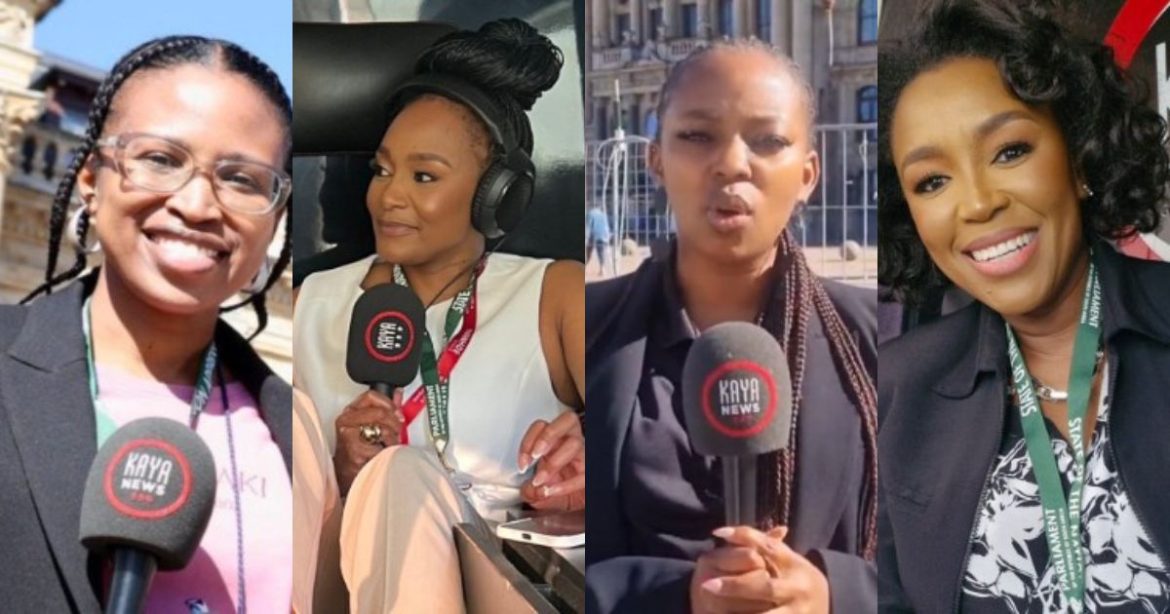
One of the year’s defining achievements was the Kaya News and Talk team’s handling of the G20. This inspiring group of journalists managed an intense, high-stakes news environment with authority and balance – holding leaders to account and never losing sight of the audience we serve.
What stood out, consistently, was how the team worked: with care and integrity. In a time of misinformation and disinformation, they checked, and checked again. They verified everything, asked the extra question, and understood when a story needed urgency – and when it needed restraint.
As we look ahead, there is much to be excited about. An election year lies before us – noisy, consequential, and deeply important. It will test us and demand our very best. Elections demand journalism that is calm under pressure and unwavering in its commitment to the public interest.
That is precisely why I am confident. Our team has already proven it can handle complexity, pressure, and power without losing its moral compass. There is a great deal to look forward to next year, and Kaya News and Talk will be exactly where it belongs: at the centre of the national conversation.
Katy Katopodis
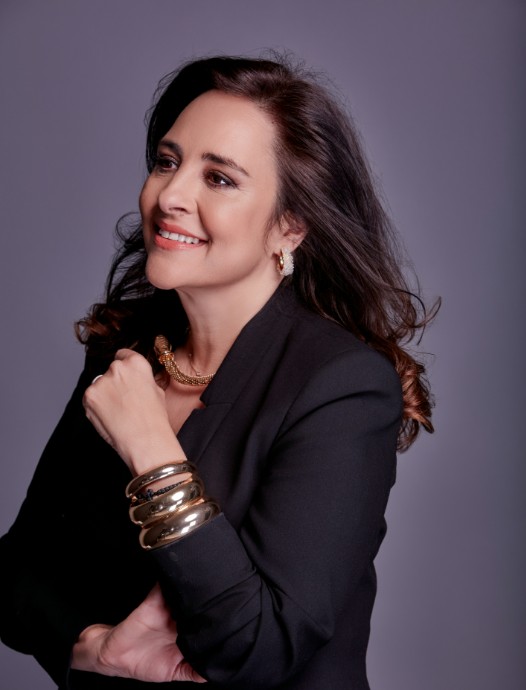
Katy is a highly experienced, award-winning journalist and editor with a career spanning over two decades.
She is the chairperson of the South African National Editors’ Forum’s (SANEF) Journalism Safety and Wellness Committee and the Editor-in-Chief of Kaya News and talk.
READ NEXT: How to survive the January money slump
The post A year that tested the nation: How Kaya News navigated political landmines and tragedy appeared first on KAYA 959.