New research from the University of York suggests a childhood virus may cause DNA damage linked to bladder cancer, and could open the door to preventing the disease in the future. Scientists found that our immune system’s response to BK virus may damage DNA in bladder cells in the same way seen in bladder cancer. Researchers say this could one day lead to prevention, just like the HPV vaccine for cervical cancer.
Here’s what the research found
Scientists from the University of York’s Jack Birch Unit found that when the body tries to fight BK virus, a common infection most people catch as children, it can accidentally damage its own DNA. The study, funded by Kidney Research UK and York Against Cancer, was published yesterday.
BK virus usually lies dormant in the kidneys for decades and is harmless for most people. But when the immune system weakens later in life, or after a kidney transplant, the virus can reactivate. In their experiment, York researchers exposed bladder cells to the virus and used DNA analysis to see how the cells reacted.
The cells responded and tried to attack the virus, but the body’s defence system harmed the body’s own DNA along with the virus. The damage caused changes that looked almost the same as those found in bladder cancer cells.
The damage didn’t only affect the infected cells. Nearby healthy cells also showed similar changes. This could explain why most bladder cancers don’t show signs of BK virus later on, even if it helped start the disease in the first place.
‘We may one day be able to stop cancer before it starts’
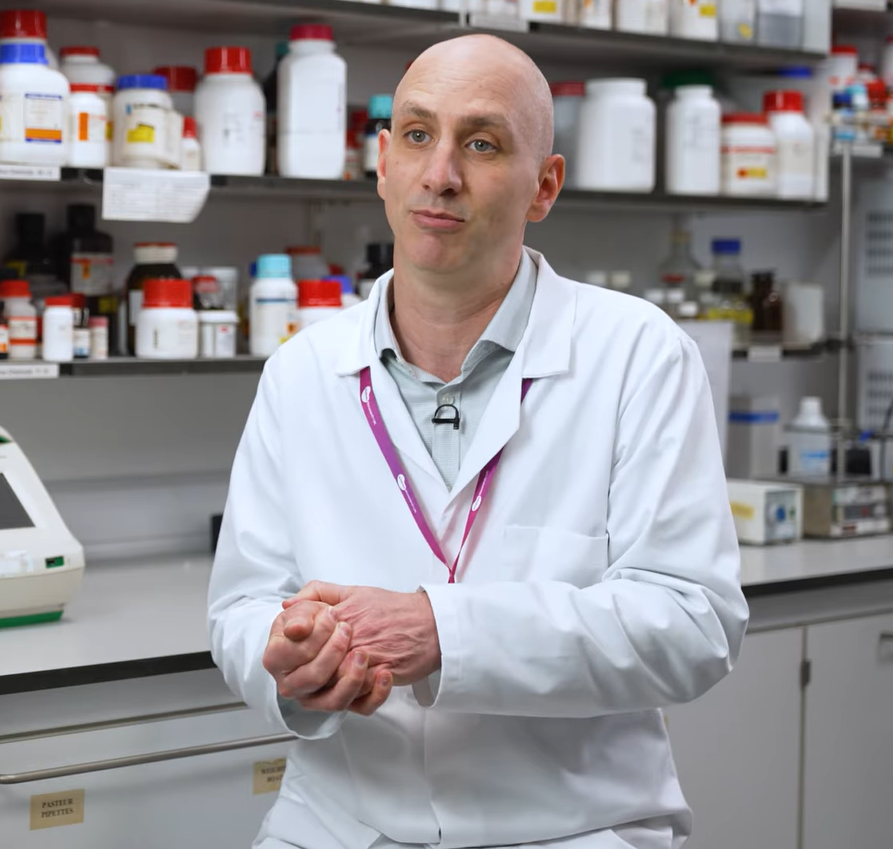
Image via YouTube
Lead author Dr Simon Baker said: “Our results show that the bladder’s defensive response to the virus causes DNA changes which can lead to cancer. We think this incredibly exciting because it suggests bladder cancer might be preventable. Just like HPV, we may one day be able to stop cancer before it starts.”
Kidney transplant recipients are three times more likely to develop bladder cancer, and BK virus is already known to reactivate aggressively in people on immune-suppressing medication.
Dr Baker added: “We know BK virus can cause bladder cancer in renal transplant recipients, but the virus itself is missing from most bladder cancers. That mystery led us to ask – what if the damage happens early, and the virus doesn’t need to be present by the time cancer develops?”
“A very important step in enhancing our knowledge of how bladder cancer starts’
Around 10,000 people in the UK are diagnosed with bladder cancer each year, making it the 11th most common cancer. Yorkshire has some of the highest rates in England, and researchers hope prevention could significantly reduce future cases.
Dr David Crosby, Chief Research Officer at Kidney Research UK, said: “These findings move us closer to understanding why some people develop bladder cancer, and show how tackling BK virus early could one day stop cancers from developing at all.”
Professor Stephen Leveson from York Against Cancer called the study “a very important step in enhancing our knowledge of how bladder cancer starts, especially here in Yorkshire where rates are high.”
The future
Researchers are now designing clinical studies to confirm whether BK virus directly increases cancer risk in real patients, and how it interacts with other risk factors like smoking. If confirmed, the research could lead to early antiviral treatments, or even a vaccine, to prevent bladder cancer entirely.
A future without bladder cancer might sound ambitious, but Dr Baker believes it’s possible: “While we’ve long known smoking raises cancer risk, this research lets us imagine going even further – stopping bladder cancer before it forms at all.”
Featured image via Google Maps